Navigating the journey to a medical degree across international borders is a monumental step for any aspiring doctor. Securing admission is only half the battle; the real test lies in gathering, verifying, and organizing the paperwork required by foreign medical universities and immigration authorities.
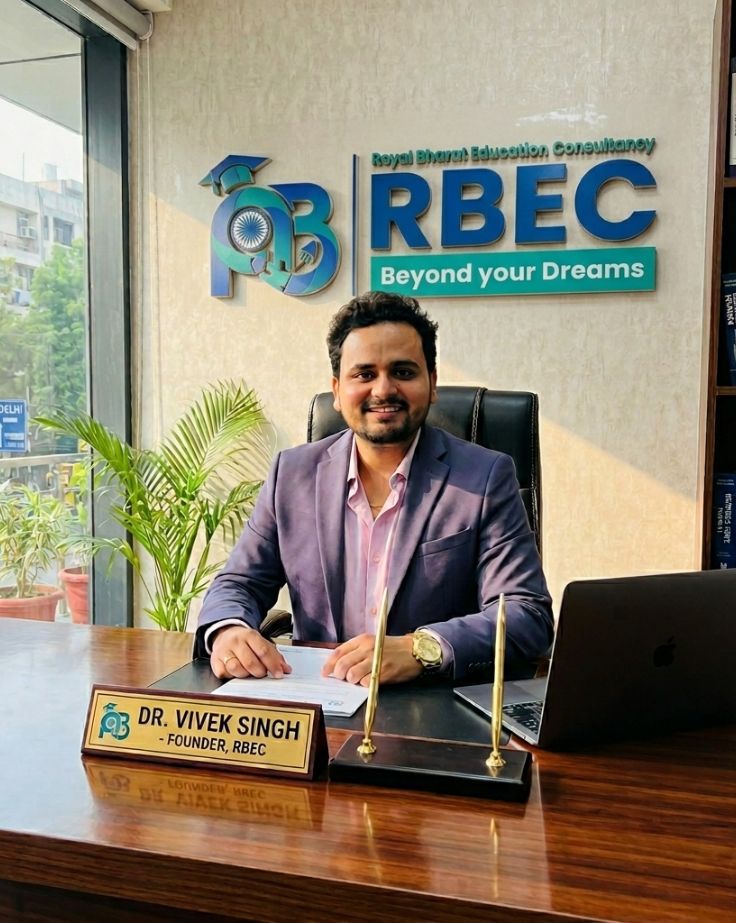
Having firsthand experience navigating the complexities of studying abroad, we at RBEC Consultancy—founded in 2026 by Vivek Singh, who pursued his own medical education overseas—understand the anxiety paperwork can cause. Beyond just admissions, our core USP is end-to-end mentorship throughout your entire course, ensuring you never feel lost, whether you are filling out initial application forms or managing your visa file.
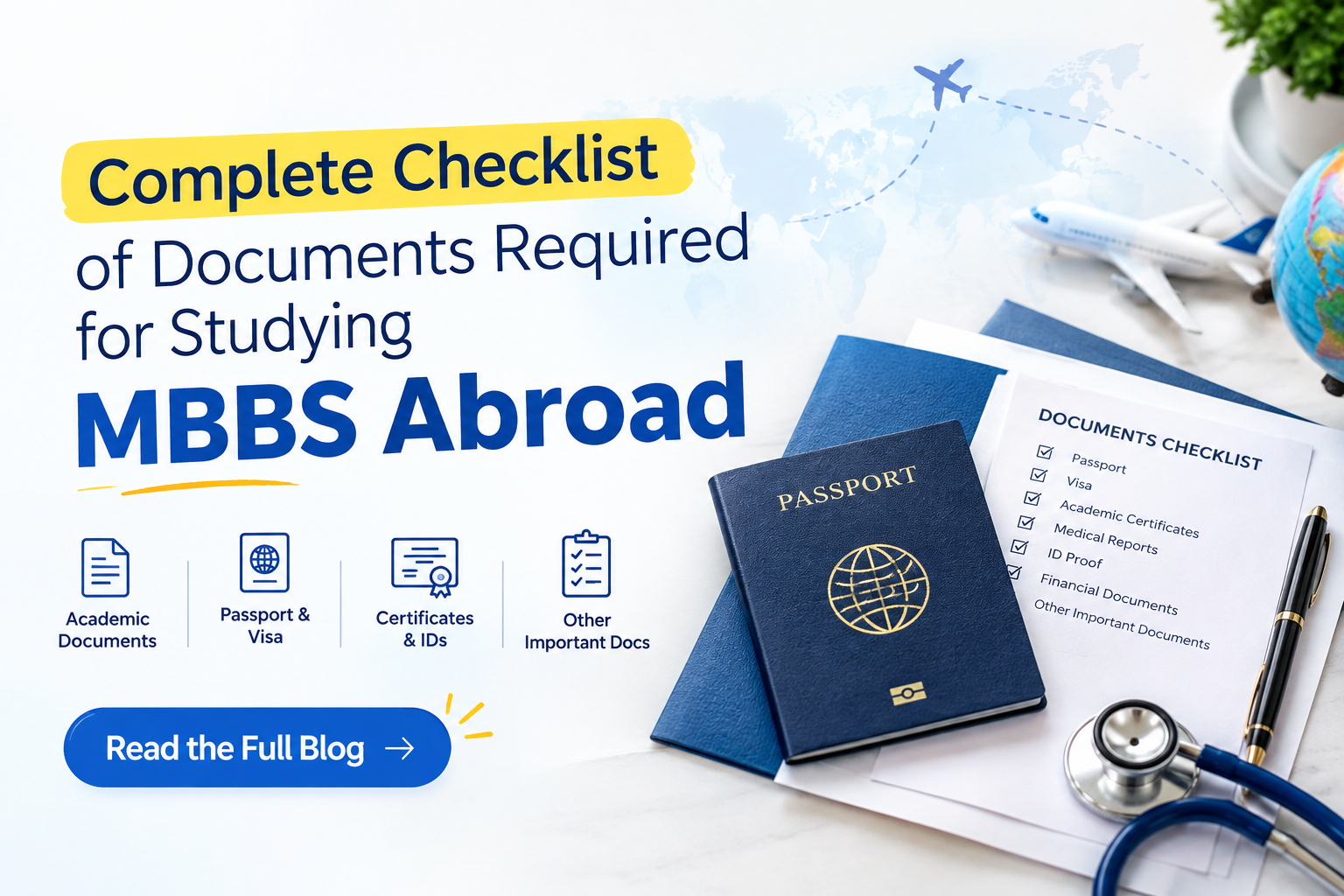
This comprehensive checklist details every document required to secure your seat for an MBBS abroad program in top destinations like Georgia, Russia, Kyrgyzstan, and Uzbekistan.
What is Lower Back Pain?
Donec ut consectetur augue, at gravida orci. Donec nec est quis massa suscipit faucibus vitae id tellus. Vestibulum et leo sem. Aliquam viverra arcu mattis orci vestibulum tristique. Sed in gravida arcu.
1. Academic Credentials
Academic transcripts form the foundation of your university application and medical council eligibility. Ensure these documents are authentic, up-to-date, and free of discrepancies.
- Class 10 Mark Sheet and Passing Certificate: Serves as proof of your date of birth and secondary education completion.
- Class 12 Mark Sheet and Passing Certificate: Crucial for meeting the minimum percentage requirements (usually 50% aggregate in Physics, Chemistry, and Biology for General category students, and 40% for Reserved categories as per NMC guidelines).
- NEET Scorecard: Mandatory for Indian students aspiring to study medicine abroad, as qualifying for the National Eligibility cum Entrance Test is a legal prerequisite to practice medicine back home.
2. Personal Identification and Travel Documents
Your passport and identification papers must be valid well beyond your expected travel dates.
- Valid Passport: Must have a minimum validity of 18 months to 2 years from the date of departure, with sufficient blank pages for visa stamps.
- Birth Certificate: Required by select universities and immigration offices to verify age and parentage.
- Passport-Size Photographs: Usually 10 to 15 recent photographs with a white background (matt finish, standard specifications as required by the respective embassy).
3. Medical and Health Documentation
Studying medicine requires you to be physically fit and free of communicable diseases. Host countries enforce strict medical clearances before granting long-term student visas.
- Medical Fitness Certificate: Issued by a registered medical practitioner, certifying that you are free from infectious diseases (such as HIV, Hepatitis B and C, and Tuberculosis).
- COVID-19 Vaccination Certificate: Depending on current international travel norms and university guidelines.
- Chest X-Ray / Lab Reports: Required during embassy medical check-ups in specific countries like Russia and Kyrgyzstan.
4. Financial and Sponsorship Documents
Foreign universities and visa officers need assurance that you or your sponsors have the financial capability to cover tuition fees and living expenses for the entire duration of the course.
- Bank Statement: Showing sufficient balance (typically covering the first year’s tuition fees and living expenses), usually requiring a 3-month to 6-month transaction history.
- Sponsor Letter / Affidavit of Support: A legal declaration from parents or legal guardians stating they will financially support the student throughout the MBBS program.
- Income Proof of Parents: Income tax returns (ITR) or salary slips of the sponsor.
5. Legalization and Attestation Paperwork
Academic and personal documents must be officially authenticated before they are accepted by foreign institutions and ministries of foreign affairs.
- Apostille / Attestation: Educational documents (Class 10 and 12 mark sheets) must be apostilled by the Ministry of External Affairs (MEA) of India or attested by the respective embassy, depending on the destination country (Georgia, Russia, Kyrgyzstan, or Uzbekistan).
- Notarized Translations: For non-English speaking countries, academic documents often need to be officially translated into the local language (e.g., Russian for Russia) and notarized.
Do you want to study MBBS Abroad and looking for a trusted consultancy ?
No Worries, RBEC is here for you
Why Proper Documentation Matters with RBEC Consultancy
Missing a single apostille stamp or submitting a mismatched name across certificates can stall your visa or result in university rejection. At RBEC Consultancy, we don’t just secure admissions into NMC and WHO approved universities across Georgia, Russia, Kyrgyzstan, and Uzbekistan—we handle your file verification meticulously.
Because our founder, Vivek Singh, experienced the study abroad journey firsthand, our team anticipates roadblocks before they happen. From organizing your paperwork to offering mentorship throughout the course, we stand by your side from your first document submission to your final graduation day.
Ready to take the next step toward your medical career? Get in touch with RBEC Consultancy today and let our experts guide you through a seamless, stress-free admissions process.